Industrial & Building Hygiene
Protect your employees, occupants, and physical assets through our full-service industrial hygiene and building-science program. Guided by certified industrial hygienists, our multidisciplinary team delivers rapid, accurate, and legally defensible results that exceed Canadian and international health and safety standards.
Speak directly with an expert
Our services
What is industrial hygiene
in the built environment?
In Québec, industrial hygiene, also called occupational hygiene, is the applied science of anticipating, recognizing, evaluating, and controlling agents that can harm people at work or anyone who enters the facility. It is a data-driven discipline that blends engineering, toxicology, microbiology, and public-health principles.
Industrial hygiene: anticipation and evaluation
A professional hygienist evaluates current and future workplace hazards, selects appropriate sampling strategies, and consults on control measures ranging from source elimination and substitution to local-exhaust ventilation, PPE, and administrative controls. Deliverables include hazard mapping, exposure profiling, control design, and comprehensive documentation.
Key hazards impacting occupational health
Prolonged exposure to indoor contaminants can trigger asthma, cardiovascular disease, or neurological disorders. In commercial and institutional settings, unscheduled shutdowns and compensation claims lead to direct financial losses and brand damage.
The main risks
to be controlled
Without effective filtration and ventilation, fine particles and gases migrate throughout the workplace. Our technicians deploy real-time photometers, summa canisters, and spore traps to determine concentrations and identify emission hotspots.
Indoor-air hazards: dust, VOCs & mould
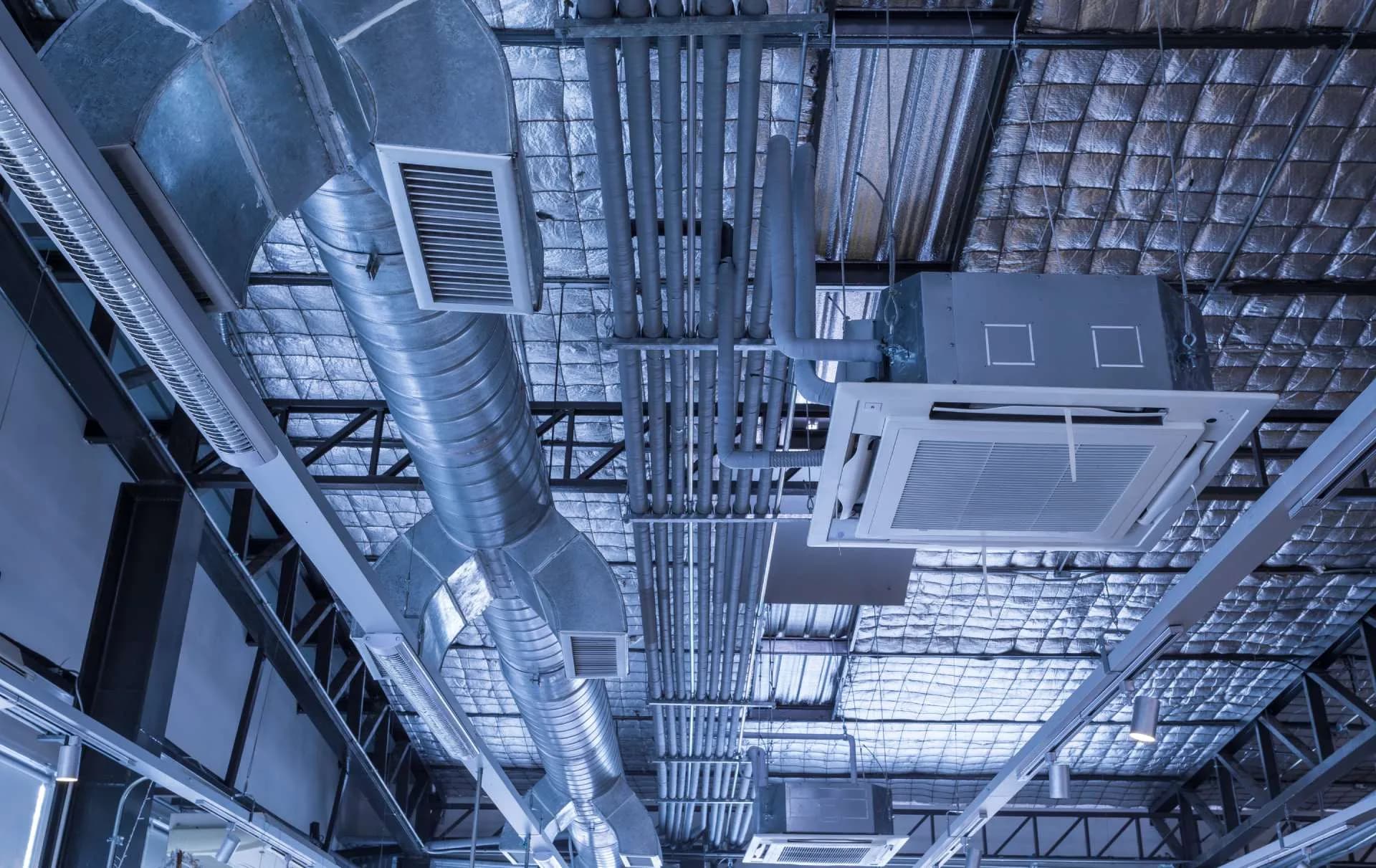
Respirable dust, volatile organic gases, and mould spores circulate freely without adapted filtration systems. Each micro-organism or chemical particle can affect health by worsening asthma, irritating mucous membranes, or causing recurring migraines. When thresholds are exceeded, we implement a customised hierarchy of controls focusing on source removal, HVAC optimisation, and safe mould remediation.
Hazardous building materials: asbestos, lead & more
Old pipe insulation, spray-applied fireproofing, and lead-based paint remain prevalent in the Québec building stock. When disturbed during renovation, these materials release fibres and dust that pose immediate and long-term occupational hazards. Our engineers develop project-specific abatement specifications, supervise contractors, and perform clearance air testing so that owners can access their spaces safely.
Need expertise in
industrial hygiene?
Request an assessment today and convert uncertainty into actionable data backed by irrefutable scientific evidence.
Speak directly with an expert
Methods & tools
for reliable evaluation
Achieving best-in-class industrial hygiene demands scientific rigour at every stage. Our facilities use precision instruments, follow laboratory accreditation standards, and employ predictive modelling to anticipate future emission scenarios.
Building inspections and audits
Our teams plan meticulous visits to identify sources of emissions, from ventilation ducts to raised floors. A carefully structured sampling program ensures that the data is representative. Each audit is based on a multidisciplinary protocol that combines civil engineering, microbiology, and toxicology.
Air & material quality testing
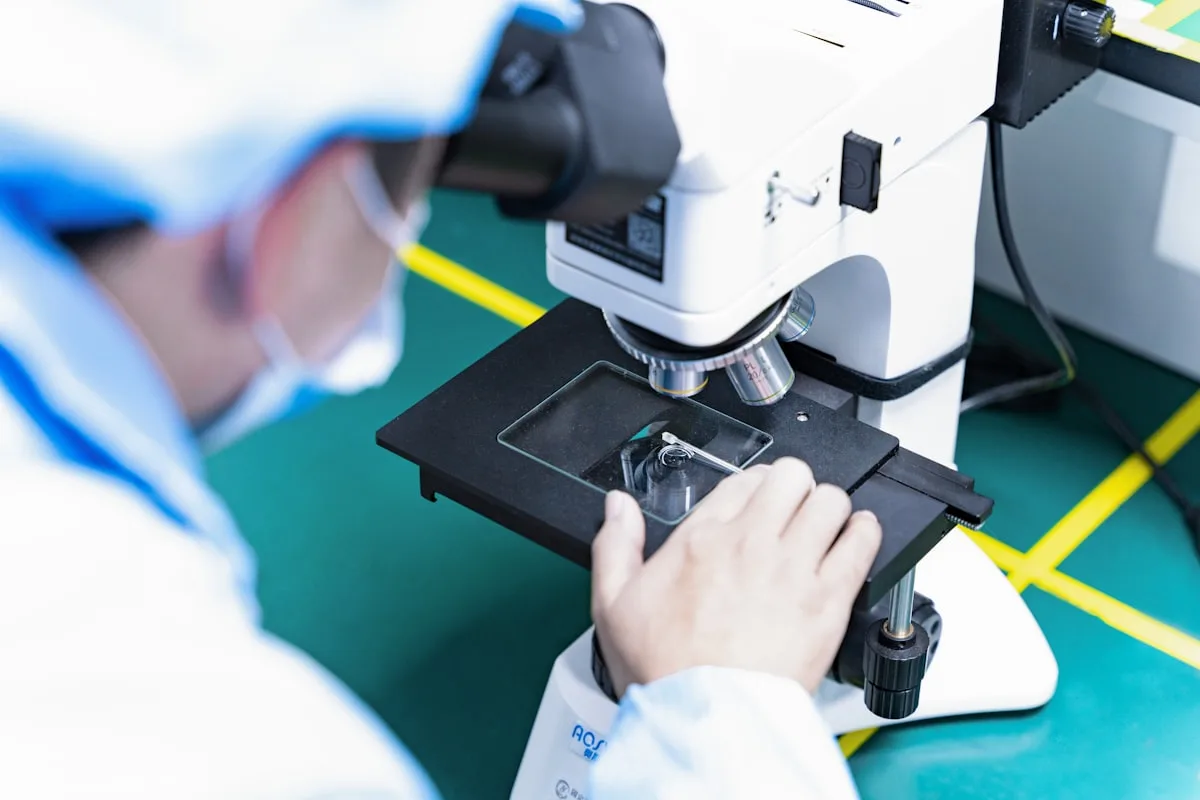
Our field teams conduct personal and area sampling using media that comply with AIHA, OSHA, or ISO methods. Airborne asbestos fibres are counted by Phase Contrast Microscopy and confirmed by Transmission Electron Microscopy. Bulk materials undergo PLM and XRD analysis to confirm asbestos type and percentage, while lead content is quantified via XRF and ICP-MS.
Recognized and
certified expertise
We specialize in identifying environmental contaminants and provide tailored recommendations for each situation. By staying constantly informed of regulatory developments, we are committed to ensuring healthy and safe environments for our clients.

Speak directly with an expert
Solutions for sustainable
industrial hygiene
Industrial hygiene is only effective when findings translate into tangible improvements. We consult with your project managers, maintenance staff, and joint health-and-safety committees to embed solutions into daily routines without disrupting production.
Prevention and infrastructure maintenance
We recommend adapted personal protection programs (masks, airtight clothing, decontamination) and actions on the built environment (ventilation, lighting) to reduce pollutant accumulation. Our integrated solution stack includes engineering controls, administrative controls, PPE, and emergency preparedness.
Standards, regulations & specialized support
Québec's regulatory framework imposes strict requirements for contaminant analysis in the workplace. Our industrial hygienists maintain current certification and participate in AIHA technical committees. We prepare documentation for CNESST, insurers, and lenders, translating technical jargon into clear executive summaries.